
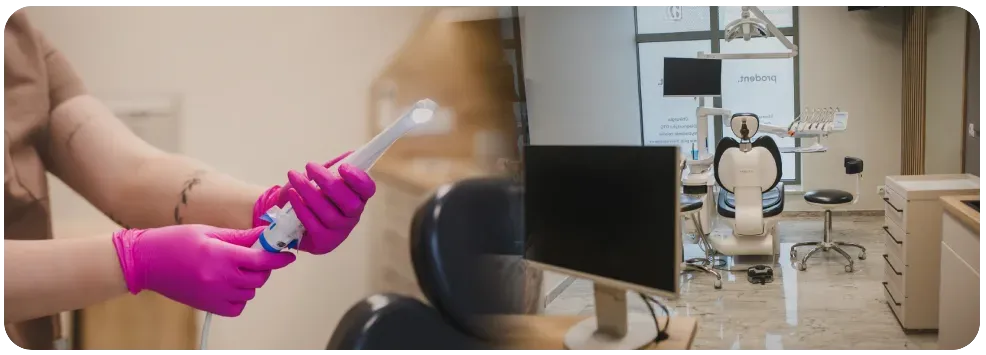
Does everyone need a check-up every six months?
Six months can be appropriate for some patients, but it is not a universal timetable. Someone with active disease or a higher risk may need closer review. For a person with stable oral health, the dentist may recommend a longer interval.
Ask why your recall interval has been chosen and what would make it change. The risk-based approach in the NICE dental recall guidance is not a reason to extend your own interval without an assessment. A lack of pain does not prove that every tooth and gum is healthy.
What affects the timing?
- Recent decay or new fillings.
- Gum health and any continuing periodontal treatment.
- Dry mouth, general health conditions and medicines.
- Cleaning, dietary habits and smoking.
- Braces, implants or extensive restorations needing maintenance.
- A child’s age and stage of dental development.
The plan can change as your health or habits change. A review after a procedure, or during active treatment, serves a different purpose from a routine oral health examination.
A check-up, cleaning and an X-ray are different things
| Appointment or examination | Main purpose |
|---|---|
| Dental check-up | Assess teeth, gums and other oral tissues, review risk and plan care. |
| Professional cleaning | Remove deposits where indicated and help improve daily cleaning. |
| Dental imaging | Answer a diagnostic question that cannot be resolved by examination alone. |
Not every check-up needs scaling or a new image. Bring existing images or details of where they were taken. Your dentist decides whether further dental imaging is needed for the current question.
When should a child first see a dentist?
Arrange a first visit after the first tooth appears and by around the first birthday. This is an opportunity to assess the mouth, discuss feeding and cleaning, and identify decay risk. It is not necessary to wait for a full set of baby teeth.
Follow-up timing depends on the child’s needs. Our guide to baby teeth and tooth decay explains why these early teeth need care even though they will eventually be replaced.
Which symptoms should not wait?
Contact a dentist before your scheduled recall if you develop pain, swelling, repeated gum bleeding, a broken tooth, a lost filling or a mouth lesion that is not healing. A previously agreed date is not a reason to leave new symptoms for several months.
Severe symptoms may need urgent assessment. See what to do about toothache for signs that require immediate medical help.
Preparing for a check-up at ProDent
Bring a list of medicines, relevant records and details of changes to your health. Note questions about cleaning, sensitivity or anything you have noticed in your mouth. If it has been a long time since your last visit, a consultation is a useful starting point.
After the examination, we can explain whether you need treatment or cleaning and agree the next review. Our English price list includes examination and diagnostic appointments.